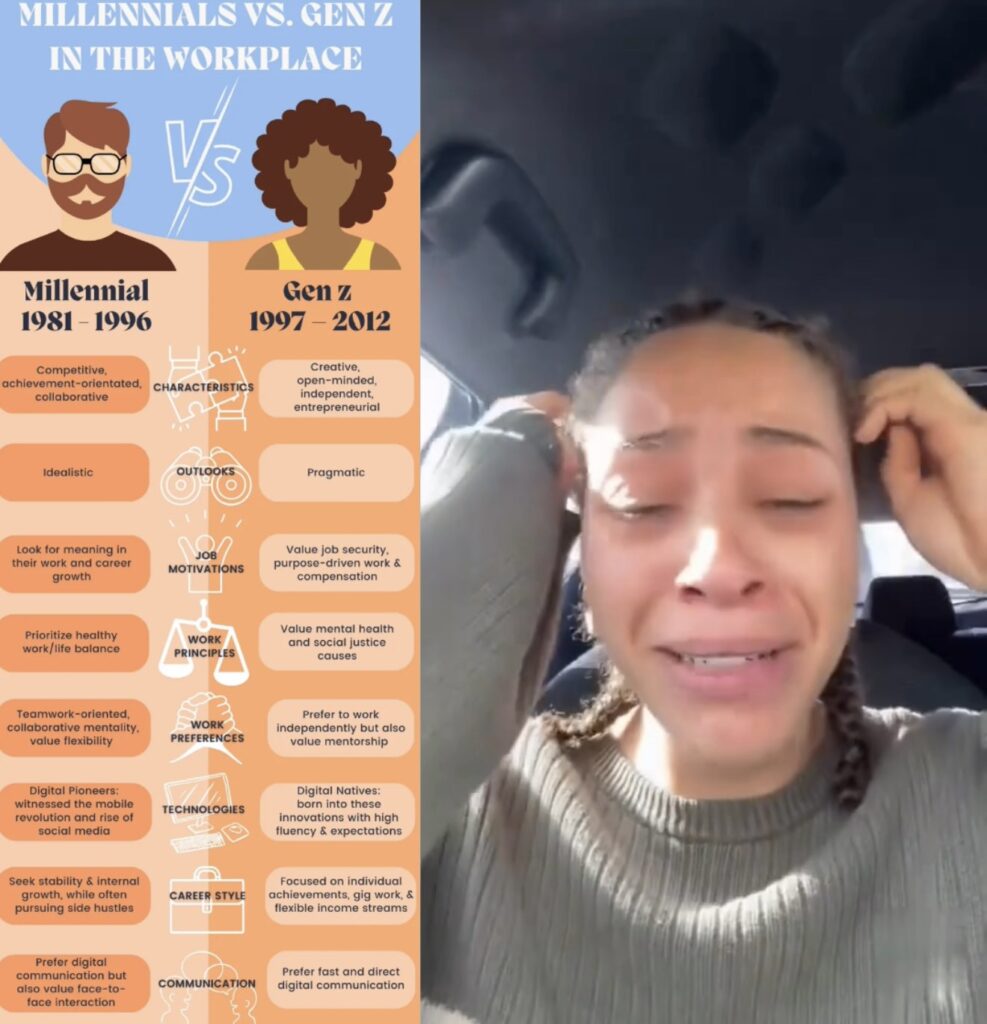
“Working full-time no longer guarantees stability”
In cities and suburbs across the United States, a growing number of young adults are quietly facing a financial reality that feels heavier every month. Despite having jobs, degrees, and full-time schedules, many say they are still unable to build stable lives or even cover basic expenses without stress.
What used to be described as “starting out” in adulthood now feels, for many, like constant financial survival.
A Life That Looks Normal on the Outside—But Isn’t
On social media, life often looks fine. People post about new jobs, small trips, and weekend plans. But behind the scenes, many young Americans describe a very different picture: carefully calculated spending, delayed bills, shared rent arrangements, and anxiety every time a paycheck is delayed or an unexpected expense appears.
“I make what I thought was a decent salary,” said a 26-year-old worker in Florida. “But by the time I pay rent, insurance, groceries, and student loans, I’m basically starting from zero again every month.”
This feeling is becoming increasingly common. Full-time employment no longer guarantees financial breathing room, especially in larger cities where costs continue to rise faster than wages.
Rent Has Become the Breaking Point 🏠
For many, housing is the biggest stress factor.
Rent prices in major urban areas have climbed to levels that would have been unthinkable a decade ago. Even modest apartments often require a large portion of monthly income, forcing many young adults to make difficult compromises:
- Living with multiple roommates well into their late 20s and early 30s
- Moving back in with parents after independence
- Commuting long distances to find slightly cheaper rent
- Accepting smaller or lower-quality housing just to stay afloat
One 24-year-old in Texas described it simply: “I don’t choose where I live anymore. I choose what I can survive.”
The Cost of Everyday Survival Is Rising Too
It’s not just rent. The cost of daily life has become increasingly unpredictable.
Groceries that once lasted a week now feel like they disappear in a few days. Gas prices fluctuate in ways that make budgeting difficult. Car insurance premiums continue to rise in many states. Even basic healthcare visits can turn into unexpected financial shocks.
Many young workers describe a new routine: checking bank accounts multiple times a day, delaying purchases, and constantly adjusting spending plans.
“I’ve stopped thinking in months,” one worker said. “I think in weeks. Sometimes even days.”
Student Loans and Financial Pressure That Doesn’t Go Away 🎓
For millions of young Americans, student loans remain a long-term burden. Monthly payments—combined with interest—often feel like they erase progress made from working full-time jobs.
Even those who managed to graduate without debt are not necessarily better off, as rising living costs quickly absorb any financial advantage.
Economists say this creates a cycle where young adults are unable to save, invest, or build emergency funds—leaving them vulnerable to even small financial shocks like car repairs or medical bills.
Paychecks Are Not Keeping Up 📉
One of the core frustrations among younger workers is the gap between wages and reality.
While employment opportunities exist, income growth has not kept pace with the rising cost of housing, healthcare, and essentials. This mismatch has created a situation where people may technically be “employed and stable” on paper, but still feel financially insecure in daily life.
A financial advisor explained it like this:
“People aren’t necessarily unemployed—they’re under-supported. The system assumes wages will stretch further than they actually do.”
Mental and Emotional Strain Is Growing
The financial pressure is not just economic—it is deeply emotional.
Young adults report higher levels of stress, burnout, and anxiety linked directly to money. The feeling of “never getting ahead” can be mentally exhausting, especially when working long hours still doesn’t create progress.
Many also describe guilt and frustration when comparing themselves to older generations who were able to buy homes, save money, and raise families at younger ages under very different economic conditions.
How Young People Are Adapting
To survive, many are adjusting their lifestyles in ways that would have once been considered temporary but are now becoming long-term:
- Living with roommates far longer than expected
- Delaying marriage, children, and major life milestones
- Taking on side jobs or gig work
- Moving to lower-cost states or smaller cities
- Cutting non-essential spending almost entirely
These strategies help, but they often feel like delays rather than solutions.
A Growing Question About the Future
Despite the challenges, young Americans are not giving up—but many are starting to question whether the system is still working the way it used to.
The expectation that hard work leads to stability feels less certain than ever. And for a generation that was told education and effort would guarantee success, that realization is particularly difficult.
Final Thought
This is no longer just about inflation or rent prices. It’s about a broader shift in how adulthood works in modern America.
For many young people, the goal is not luxury or wealth—it’s stability, independence, and the ability to live without constant financial pressure.
And right now, that goal feels further away than it should.